
Legionella Risk Management · Demo article
Published
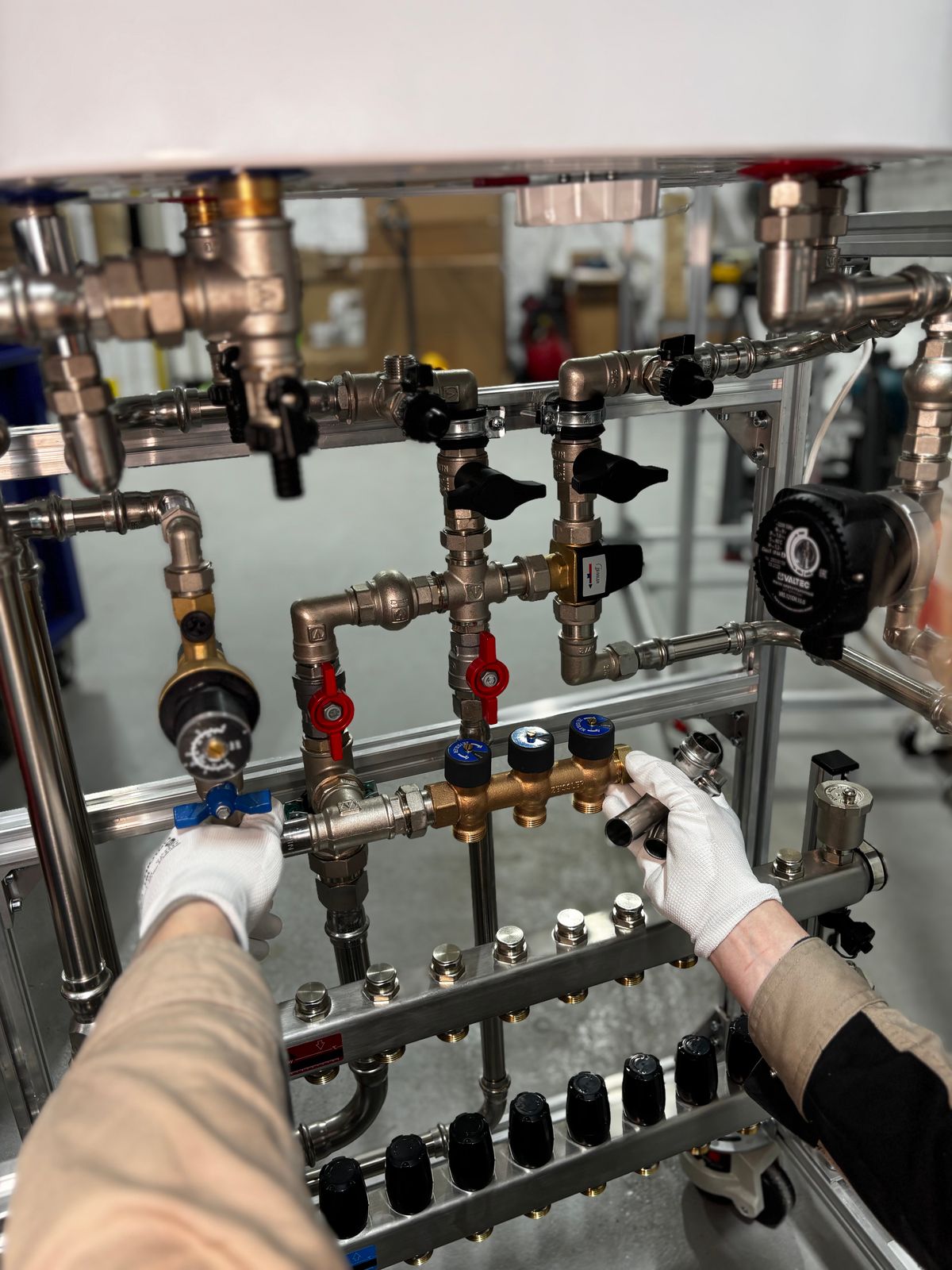
Facility owners are often told they "need a Legionella risk assessment," but rarely given a clear picture of what that actually involves. This article walks through the core stages of a properly conducted assessment.
Every assessment starts with understanding how water moves through a building — from the point it enters the property to every outlet, tank, and pipe run. This includes identifying areas where water may sit still or where temperatures fall into a range that allows Legionella bacteria to grow.
A physical inspection follows, checking water temperatures at key points, looking for corrosion, dead legs, and other conditions that increase risk. Water samples may be taken where appropriate for laboratory analysis.
Findings are assessed against recognised frameworks such as BS 8580-1:2019 and HSG274 Part 2, giving each risk area a clear rating rather than a vague description.
A proper assessment ends with a documented report: findings, risk ratings, and a prioritised list of corrective actions — the foundation for an effective Water Safety Plan.